
The Obesity Clinic : A reference Center in Brussels
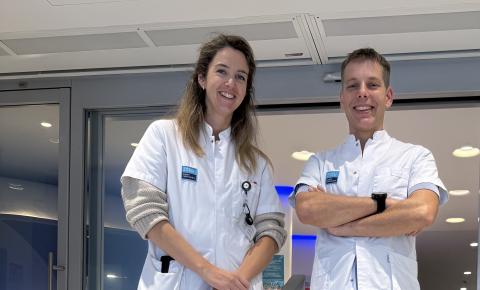
The Obesity Clinic of the Europe Hospitals has recently been reorganized across its two sites, with a new generation of surgeons and a multidisciplinary approach that is already delivering results. The Europe Hospitals, which are already equipped with a surgical robot for obesity surgery among other procedures, are expecting the brand-new Da Vinci V robot in 2026. We spoke with Drs. Annouck Philippron and Yannick Nijs, bariatric surgeons at the Obesity Clinic of the Europe Hospitals.
The Obesity Clinic of the Europe Hospitals works in a multidisciplinary manner, in collaboration with endocrinologists, dietitians, a nutritionist, a psychologist, and the sleep center.
“Every case is different and requires a tailored approach. It is precisely this multidisciplinary care that allows us to offer customized solutions to our patients,” says Dr. Nijs.
“Not all patients require surgery. Treatment can also include medication and dietary management, combined with psychotherapy and physiotherapy,” adds Dr. Philippron.
Follow-up Before and After Surgery
“The legally required reflection period before surgery is usually three months. Patients who come to consult the doctors are generally already well-informed and determined to take the step,” reports Yannick Nijs.
After surgery, the team is also very strict with patient follow-up, as this is clearly where the key to success lies, the surgeon emphasizes.
“We see our patients two to three times a year, in addition to dietary, psychological, and, if needed, physiotherapy follow-up. Studies also show that good follow-up significantly increases the chances of success.”
“Surgery is indeed only one step, a partial solution. Maintaining weight afterward remains a lifelong challenge, requiring discipline and determination. This is why follow-up in collaboration with the general practitioner is so important,” adds Dr. Philippron.
The Latest Robot Arrives
The team of bariatric surgeons is already experienced in working with a surgical robot. From 2026, however, they will have the most advanced robot, the Da Vinci V.
“It will allow us to be even more precise, with less blood loss, less postoperative pain, and faster recovery,” comments Yannick Nijs.
“Of course, we can always operate without a robot, but it really adds value,” adds Annouck Philippron.
Less than 1% Complications
Today, both surgeons confirm that obesity surgery has become very safe.
“As with any surgery, zero risk does not exist, but today we can say that bariatric surgery has less than 1% complications. It is therefore a safe procedure that also delivers good results.”
“We are a new generation of bariatric surgeons with solid experience, and we never force patients to undergo surgery—in fact, quite the opposite. If the indication is not clearly met, we prefer to decline surgery. Patient motivation is truly essential to optimize success. The type of surgery is always determined in consultation with the patient,” emphasizes Dr. Nijs.
A Key Role for New Medications
“These new medications, such as GLP-1 analogues, which can be effective in some cases, certainly have a place in obesity management. However, it is important to carefully discuss the benefits and risks with patients and, as with surgery, select the right candidates,” says Dr. Philippron.
Dr. Nijs continues:
“Some patients respond very well to these treatments. Others do not respond at all and benefit more from surgery. In terms of long-term results, surgery provides the best outcomes. But for patients who regain weight after surgery, these medications can be an interesting option to limit and control this weight regain.”
Another group that may benefit from these treatments are patients with a BMI between 30 and 35, who do not meet the criteria for bariatric surgery and who struggle to lose weight despite lifestyle and dietary measures.
“The drawback, however, is that we do not yet have long-term results, and most patients regain weight one year after stopping treatment. They regain all the weight they had lost, and sometimes even more,” cautions Annouck Philippron.
“Here too, lifestyle changes are essential to achieve lasting results.”
